
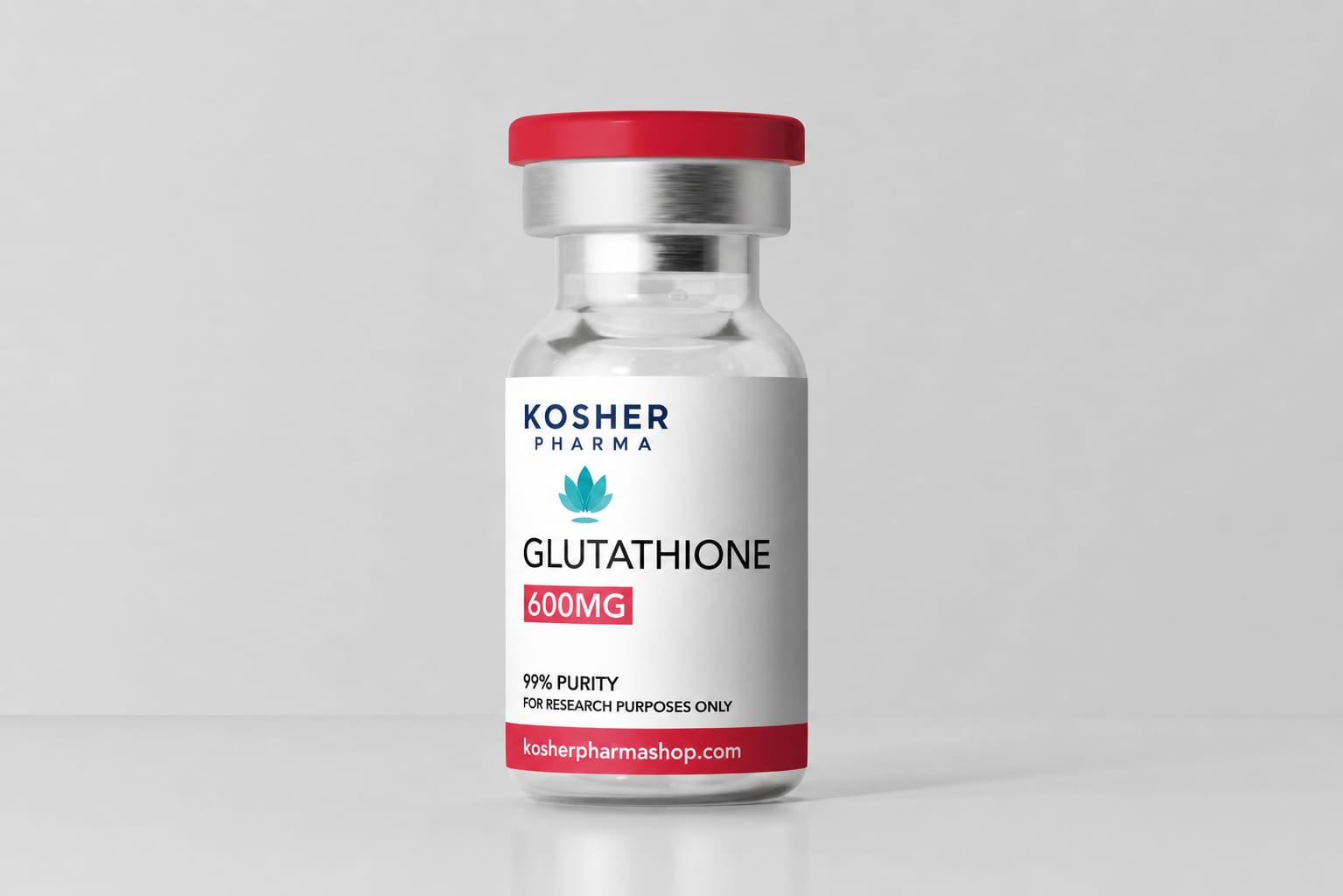
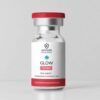
Glutathione – Advanced Antioxidant Peptide for Research Applications
Glutathione is a powerful tripeptide composed of three amino acids: glutamine, cysteine, and glycine. Widely recognized as one of the body’s most critical endogenous antioxidants, glutathione plays a central role in cellular defense, oxidative stress modulation, and detoxification pathways. Because of its broad biological relevance, it has become a key compound in biochemical and life sciences research.
Moreover, glutathione is naturally present in nearly every cell, where it actively supports redox balance. However, intracellular levels may decline due to environmental stressors, aging, or experimental conditions. As a result, researchers frequently utilize exogenous glutathione in controlled settings to better understand its impact on cellular systems and metabolic processes.
Key Features
- Tripeptide Structure – Composed of glutamine, cysteine, and glycine for optimal biochemical functionality
- Potent Antioxidant Properties – Plays a significant role in neutralizing reactive oxygen species (ROS)
- Cellular Detoxification Support – Involved in phase II detoxification pathways in laboratory models
- Redox Regulation – Helps maintain intracellular oxidative balance under experimental conditions
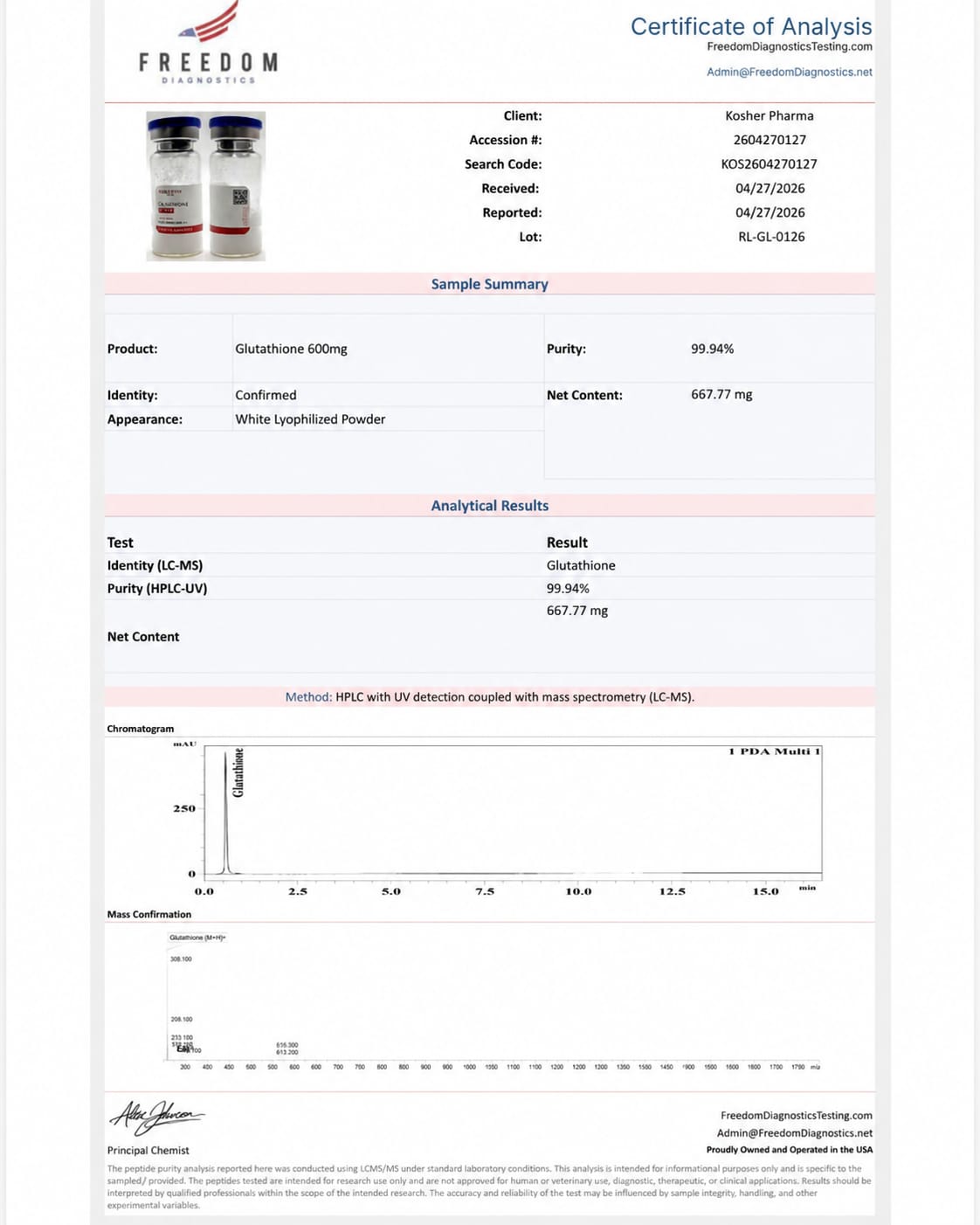
- High Purity Research Grade – Manufactured and tested for consistency and reliability in scientific studies
- Versatile Applications – Suitable for use in a wide range of in vitro and biochemical assays
Research Applications
Glutathione is widely used across multiple scientific disciplines due to its versatility and biological significance. For instance, it is commonly incorporated into studies focusing on oxidative stress and cellular aging. Additionally, researchers use glutathione to examine mitochondrial function, apoptosis pathways, and immune response mechanisms.
Furthermore, glutathione plays a crucial role in detoxification research. It is frequently studied in relation to enzyme systems such as glutathione peroxidase and glutathione S-transferase. These systems are essential for neutralizing harmful compounds and maintaining cellular integrity.
In addition, glutathione is often utilized in dermatological and pigmentation research models. Its potential influence on melanin production pathways has made it a subject of growing interest in cosmetic and skin-related laboratory investigations.
Because of these diverse applications, glutathione remains a cornerstone compound in modern biochemical and pharmaceutical research.
Storage
To maintain stability and integrity, glutathione should be stored under controlled conditions:
- Store in a cool, dry environment away from direct light
- Recommended storage at 2–8°C for short-term use
- For extended storage, keep at -20°C in a tightly sealed container
- Avoid repeated freeze-thaw cycles to preserve peptide structure
Proper handling and storage are essential to ensure consistent experimental outcomes.
Disclaimer
This product is intended strictly for research and laboratory use only. It is not for human consumption, not for therapeutic or diagnostic use, and not for veterinary applications.
All experiments involving glutathione should be conducted by qualified professionals in appropriately equipped research facilities.
| Dimensions | 1.77 × 0.79 × 1.77 in |
|---|
Be the first to review “GLUTATHIONE”
Related products
Inflammation & Immune Research
Longevity & Cellular Repair Research Peptides
Inflammation & Immune Research
Metabolic Research Peptides
Longevity & Cellular Repair Research Peptides
Longevity & Cellular Repair Research Peptides
Longevity & Cellular Repair Research Peptides
Longevity & Cellular Repair Research Peptides
Reviews
There are no reviews yet.