
Style
Peptides in Research
 Peptides in Research: Types, Applications, and Lab Handling Best Practices
Meta description: An overview of peptides used in laboratory research. Covers types, common applications, storage, and handling protocols for qualified researchers.
What Are Peptides in a Research Context?
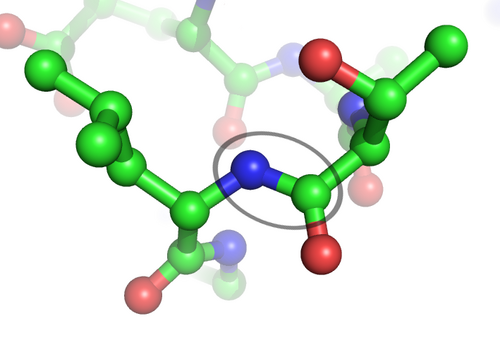
Peptides are short chains of amino acids linked by peptide bonds. In research settings, synthetic peptides are used as tools to study protein interactions, signaling pathways, enzyme activity, and receptor binding under controlled conditions.
Peptides sold for research are supplied as lyophilized powders and are labeled for laboratory use only. They are not intended for human or veterinary use.
Common Types of Research Peptides
Researchers typically work with a few categories based on their study goals:
Signaling Peptides
Used to investigate cell communication pathways. Examples include GHRH analogs and other receptor agonists used in in vitro assays.
Enzyme Inhibitors
Designed to study enzyme kinetics and metabolic pathways. NNMT inhibitors are used to explore NAD+ metabolism in cell models.
Structural Peptides
Used to model protein domains, test binding affinity, and validate assay methods.
Each type serves a specific role in assay development, method validation, and mechanistic studies.
Why Researchers Use Synthetic Peptides
Synthetic peptides give labs control over sequence, purity, and batch consistency. Key benefits in research:
Reproducibility: Defined sequence reduces variability compared to natural extracts
urityP: High-purity batches verified by HPLC and MS allow cleaner data
Flexibility: Modifications like acetylation or amidation can be added for stability in specific assays
Scalability: Available in mg quantities suitable for multiple experiments
Handling and Storage Protocols
Proper handling is critical for data integrity. Follow these general lab practices:
Storage before reconstitution
Store lyophilized peptides at -20°C or below
Protect from light and moisture
Avoid opening vials at room temperature to prevent condensation
Reconstitution
Use sterile, pyrogen-free water or the buffer specified in your protocol
Gently swirl to dissolve. Avoid vortexing unless your protocol allows it
Aliquot immediately to prevent freeze-thaw degradation
Storage after reconstitution
Store at 2-8°C for short-term use
Freeze aliquots at -80°C for longer storage if validated for your peptide
Record reconstitution date and lot number in your lab notebook
Always refer to the Certificate of Analysis for lot-specific recommendations.
Quality Control in Peptide Research
Before starting experiments, verify these items from the COA:
Purity: Check HPLC data, typically 95-99% for research grade
Identity: Confirm mass via MS data on the COA
Appearance: Note color and physical form
Solubility: Follow COA guidance for appropriate solvents
Documenting these parameters helps with troubleshooting and reproducibility.
Common Research Applications
Peptides are used across multiple fields:
Receptor binding studies to measure affinity and kinetics
Signal transduction assays to map pathway activation
Enzyme inhibition assays to study metabolic regulation
Method validation for analytical techniques like LC-MS
Comparative studies between analogs under identical conditions
All work should follow institutional biosafety and ethics guidelines.
—
“Looking for research-grade peptides with COA documentation? Browse our shop“
